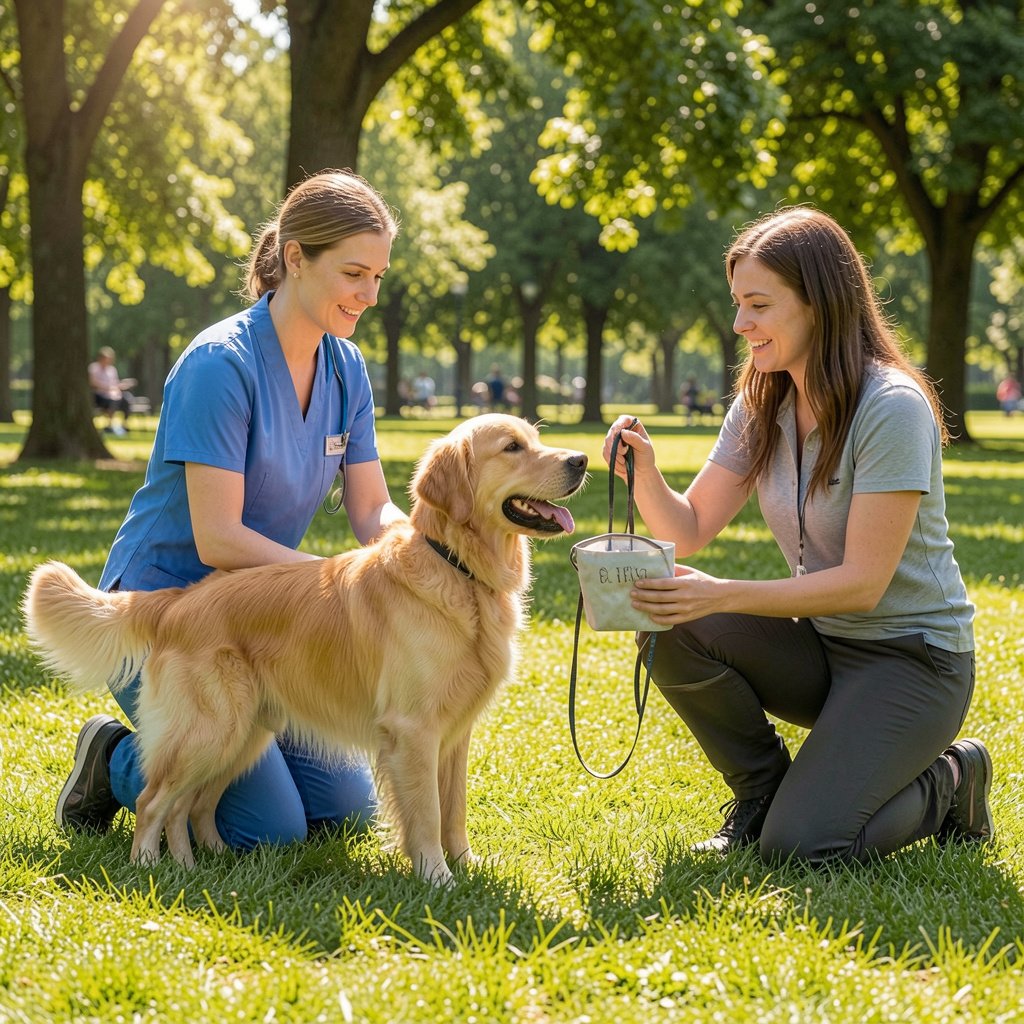
Bringing home a puppy is exciting, but it also comes with important responsibilities. The first few months of a puppy’s life shape how they respond to people, new environments, and everyday situations for years to come. That is why puppy learning and obedience should begin as early as possible. Early training is not simply about teaching commands. It establishes communication, builds confidence, and helps puppies develop behaviors that make them enjoyable companions throughout their lives.
Every interaction teaches a puppy something. Whether they are learning where to sleep, how to greet visitors, or when to stay calm around distractions, these daily experiences become the foundation for future behavior. Owners who invest time in consistent, positive training often find that their dogs become more adaptable, responsive, and confident in a wide range of situations.
Why Early Puppy Learning Matters
Puppies experience rapid mental and emotional development during their first several months. During this stage, they are naturally curious and eager to learn from their surroundings. Introducing structured learning early helps puppies understand expectations before unwanted habits become established.
Rather than correcting behaviors after they develop, early learning focuses on preventing problems before they occur. Puppies that receive consistent guidance often develop stronger focus and better decision-making skills as they mature.
Some of the biggest benefits include:
- Faster adaptation to household routines
- Improved communication between owner and puppy
- Better confidence in unfamiliar situations
- Reduced anxiety around new people and environments
- Stronger social skills with other dogs
- Easier management during adolescence
Early education provides the building blocks that support every future stage of training.
Puppy Learning and Obedience Creates Clear Communication
Dogs do not naturally understand human expectations. They learn through repetition, consistency, and positive experiences.
Training creates a common language between owner and puppy. Instead of relying on frustration or repeated corrections, owners teach behaviors using rewards, timing, and clear signals.
This communication helps puppies understand:
- What behaviors earn rewards
- Which actions are expected indoors
- How to respond during walks
- Appropriate greetings with people
- Calm behavior around distractions
- Household routines
When communication remains consistent, puppies gain confidence because they know exactly what is expected.
Building Confidence Through Positive Experiences
Confidence plays an enormous role in lifelong behavior. Puppies that experience gradual exposure to new environments often become more comfortable handling change as adults.
Positive learning introduces puppies to:
- Different walking surfaces
- Household noises
- Car rides
- Friendly visitors
- Veterinary handling
- Grooming procedures
- Public environments
- Various sights and sounds
These experiences help puppies understand that unfamiliar situations are safe rather than frightening.
Confident dogs typically recover more quickly from unexpected situations and are less likely to develop fear-based reactions later in life.
Essential Obedience Skills Every Puppy Should Learn
Obedience training provides practical skills that improve safety while strengthening the relationship between owner and dog.
Important foundation behaviors include:
Sit
Sit teaches impulse control while providing a simple behavior owners can request before meals, greetings, or crossing streets.
Stay
Stay develops patience and focus while improving overall self-control.
Come
A reliable recall can improve safety in many everyday situations.
Down
Teaching a puppy to relax on cue encourages calm behavior in exciting environments.
Leave It
This command helps prevent puppies from picking up dangerous or unwanted objects.
Loose-Leash Walking
Walking politely without pulling creates enjoyable outings while reducing frustration for both owner and dog.
These foundational skills become increasingly valuable as puppies grow larger and more energetic.
Socialization Is More Than Meeting Other Dogs
Many people assume socialization simply means allowing puppies to play with every dog they encounter. In reality, effective socialization involves teaching puppies how to remain calm and confident in many different environments.
Healthy socialization includes exposure to:
- Children
- Adults
- Elderly individuals
- Bicycles
- Strollers
- Traffic
- Parks
- Outdoor cafés
- Shopping areas
- Different weather conditions
The goal is not constant interaction but helping puppies observe the world comfortably without becoming fearful or overly excited.
Preventing Common Behavioral Problems
Many adult behavior issues begin during puppyhood. Early learning helps prevent these habits before they become deeply ingrained.
Common concerns include:
Jumping
Teaching puppies to greet people politely prevents unwanted jumping as they grow.
Excessive Barking
Owners can reinforce calm behavior while identifying situations that trigger unnecessary barking.
Chewing
Providing appropriate chew toys while redirecting inappropriate chewing protects household items.
Nipping
Puppies naturally explore with their mouths. Consistent redirection teaches appropriate play behavior.
Pulling on the Leash
Loose-leash training prevents walks from becoming stressful as puppies mature.
Resource Guarding
Positive exercises around food, toys, and personal space encourage trust and reduce possessive behavior.
Addressing these behaviors early is often much easier than correcting them later.
The Role of Positive Reinforcement
Modern dog training focuses on rewarding desired behaviors rather than punishing mistakes.
Positive reinforcement helps puppies:
- Enjoy learning
- Build trust with their owners
- Stay motivated
- Learn more quickly
- Develop confidence
- Repeat appropriate behaviors consistently
Rewards may include:
- Small treats
- Verbal praise
- Toys
- Playtime
- Affection
- Access to favorite activities
The timing of rewards matters just as much as the reward itself. Immediate reinforcement helps puppies connect their behavior with positive outcomes.
Creating Consistency at Home
Professional training sessions provide valuable guidance, but everyday practice creates lasting success.
Consistency involves everyone in the household using the same:
- Commands
- Rules
- Expectations
- Reward system
- Daily routines
For example, if one family member allows jumping while another discourages it, puppies receive mixed messages that slow learning.
Simple routines practiced daily often produce better results than occasional long training sessions.
Making Training Part of Daily Life
Formal training sessions do not need to last an hour.
Many successful owners incorporate learning into everyday activities.
Examples include:
- Asking for a sit before meals
- Practicing recall during play
- Rewarding calm behavior before opening doors
- Reinforcing loose-leash walking during neighborhood walks
- Practicing stay while preparing food
- Encouraging polite greetings with visitors
These short opportunities reinforce learning naturally throughout the day.
Mental Stimulation Supports Better Behavior
Physical exercise alone does not fully satisfy a growing puppy. Mental engagement helps reduce boredom while encouraging problem-solving skills.
Activities that promote learning include:
- Food puzzles
- Scent games
- Interactive toys
- Basic trick training
- Obstacle courses
- Hide-and-seek
- Structured play sessions
Mentally stimulated puppies often settle more easily and display fewer destructive behaviors.
Understanding Individual Learning Styles
Every puppy learns at a slightly different pace.
Factors that influence learning include:
- Breed characteristics
- Age
- Previous experiences
- Personality
- Confidence level
- Environment
- Motivation
Some puppies quickly master new commands, while others require additional repetition and patience.
Comparing one puppy to another rarely helps. Consistent progress is far more important than speed.
Avoiding Common Training Mistakes
Even well-intentioned owners sometimes unintentionally slow their puppy’s progress.
Common mistakes include:
Inconsistent Rules
Changing expectations confuses puppies and delays learning.
Repeating Commands
Saying “sit” multiple times teaches puppies that the first command can be ignored.
Long Training Sessions
Young puppies have short attention spans. Several five-minute sessions are usually more productive than one lengthy lesson.
Punishing Mistakes
Harsh corrections may create fear rather than understanding.
Skipping Socialization
Waiting too long to expose puppies to new experiences may increase future anxiety.
Recognizing these mistakes early helps maintain steady progress.
Why Professional Guidance Can Help
While many owners successfully teach basic skills at home, professional instruction provides additional support, especially when addressing behavioral concerns or building advanced obedience.
Experienced trainers can:
- Identify early behavioral challenges
- Demonstrate proper timing
- Customize training plans
- Improve owner handling skills
- Build confidence in both puppy and owner
- Introduce appropriate socialization opportunities
Professional guidance also helps owners remain consistent during important developmental stages.
Long-Term Benefits of Early Obedience
Training extends well beyond puppyhood. The lessons learned during the first months continue influencing behavior throughout adulthood.
Dogs with strong early foundations often demonstrate:
- Better impulse control
- Improved focus
- Easier veterinary visits
- More enjoyable family outings
- Reduced household stress
- Greater adaptability
- Increased confidence
- Stronger owner relationships
These benefits improve everyday life for both dogs and their families.
Supporting Lifelong Learning
Learning should not end once puppies master basic obedience. Continuing education keeps dogs mentally engaged while strengthening established behaviors.
Ongoing training may include:
- Advanced obedience
- Trick training
- Agility foundations
- Scent work
- Public manners
- Off-leash reliability where appropriate
- Cooperative care exercises
- Confidence-building challenges
Regular practice reinforces existing skills while introducing new opportunities for growth.
The Human Side of Successful Training
Effective training benefits owners just as much as puppies.
Owners often gain:
- Better understanding of canine behavior
- Improved communication skills
- Increased confidence handling their dog
- Stronger emotional connection
- Reduced frustration during challenging stages
Training becomes less about controlling behavior and more about building a lasting partnership based on trust and consistency.
Final Thoughts
Strong puppy learning and obedience creates the foundation for a lifetime of positive behavior, confidence, and successful communication. By combining positive reinforcement, consistent routines, thoughtful socialization, and daily practice, owners help puppies develop the skills they need to navigate family life with confidence.
Professional guidance from Rob’s Dog Training can further support this process by providing structured instruction and practical strategies that help puppies and their owners build lasting habits that continue paying dividends well into adulthood.